
Section 208 transfers (formerly 209 transfers) are a tool within HUD’s Mark-to-Market (M2M) portfolio that allow existing use restrictions to be moved from one project to another. This gives owners of distressed properties a path beyond renewal or redevelopment: removing the restrictions that have been holding a property back and opening the door to recapitalization.
This matters because M2M usually carry a 30-year use agreement that caps Housing Assistance Payments (HAP) rent increases at the Annual Adjustment Factor (AAF)—typically just a few percent a year. Over 30 years, that’s grossly insufficient for many properties. A 208 lets us move that agreement to a recipient project in stronger financial and physical condition, one that can carry the remaining years.
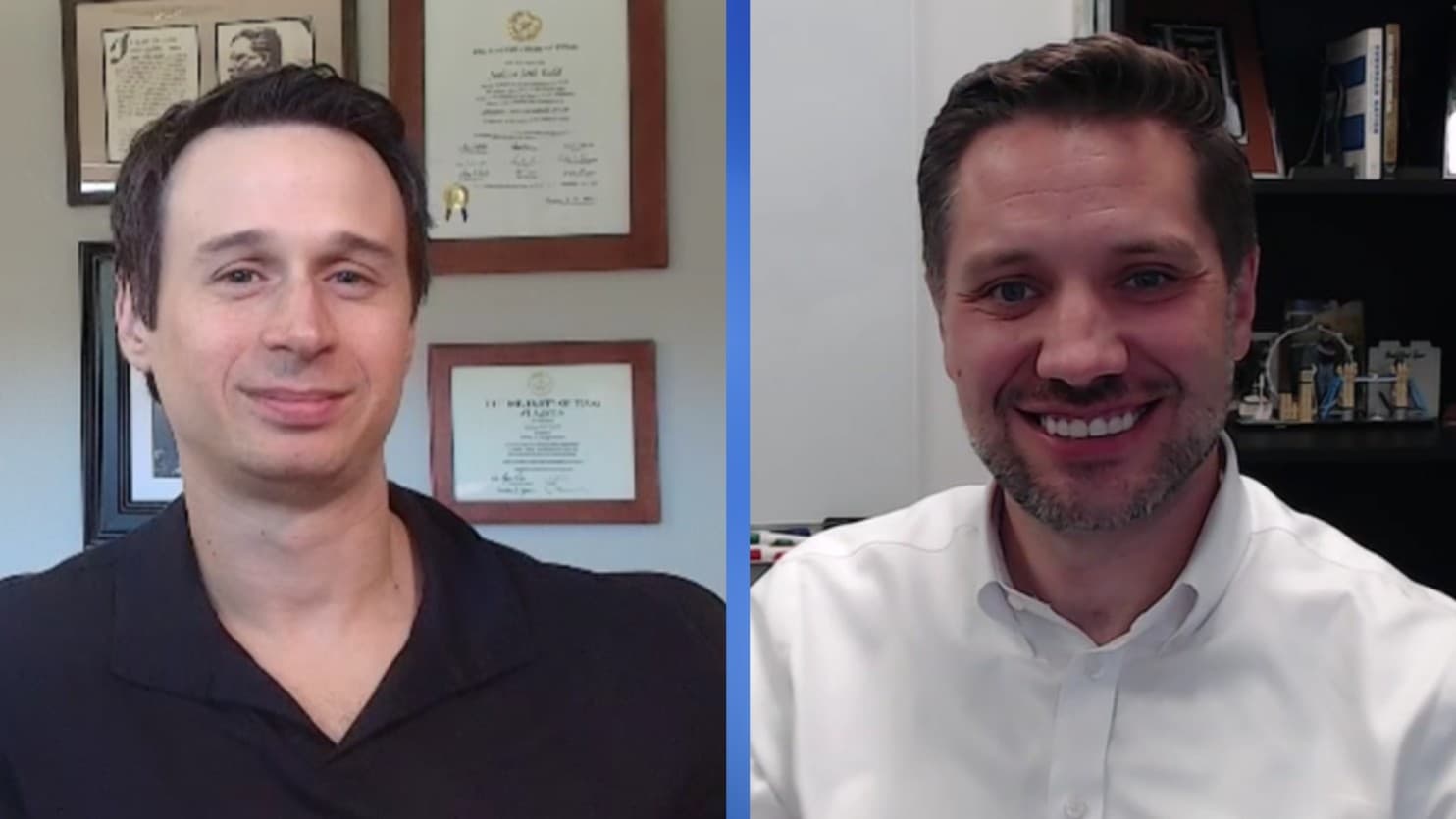
A recent example is Nelson Park Apartments in Columbus, Ohio. Led by Renewal Housing Associates, this project used a Section 208 transfer to move the M2M use agreement to another property and ultimately preserve and rehabilitate 45 buildings. In this Housing Huddle, I spoke with Kelan Craig, Vice President of Development for Renewal Housing Associates, about how the tool works in action.
How do Section 208 transfers fit into Renewal Housing’s affordable housing preservation strategy?
Renewal Housing specializes in preserving existing affordable housing with federal assistance. The 208 transfer is ideal for repositioning older, struggling legacy properties while extending affordability for others. We’re small and nimble, and it fits our model as a long-term holder of the assets we develop.
Why was a Section 208 transfer the right tool for Nelson Park Apartments?
The 208 was written for projects like Nelson Park. Built in 1958, it was one of the first Section 221 projects in the country. Despite everyone’s efforts, decades of AAF-capped rents limited the owner’s ability to refinance and fund a real rehab. It struggled with aging infrastructure, crime, and years of operating in the red, with the owner advancing funds just to keep it afloat. The transfer process lets us preserve and transform a troubled asset in a market that desperately needs affordable housing.
How did you manage the complexity of layering a 208 transfer into such a large capital stack?
Having other properties in our portfolio helped. We moved Section 8 budget authority through an 8(bb) transfer and shifted the use agreement through the 208. But it was still complex. On top of the 208, the 8(bb), and the Option One Chapter 15 Mark-Up-To-Market, we had a large capital stack: 4% housing tax credits, multifamily bonds, federal historic tax credits, and HOME funds from the state and city. Each source meant different partners, timelines, and checklists—like moving an aircraft carrier slowly in the right direction.
How did the Section 208 benefit residents and the community?
Without the 208 transfer, none of the rest would have happened. We turned very small units into larger ones for the seniors and families we serve. It also opened the door to the 8(bb) transfer, which let us “right-size” a 20-acre, 45-building site by reducing units—a shared goal of the city, community, and ownership. And it kept the Section 8 budget authority in central Ohio, a priority for both the city and HUD.
What should affordable housing owners know before pursuing a Section 208 transfer?
Be patient. This tool can give a challenging property a new lease on life for 30 to 40 years, and HUD truly wants to help. It also helps to have a partner like Nixon Peabody in the foxhole with you through the speed bumps.