
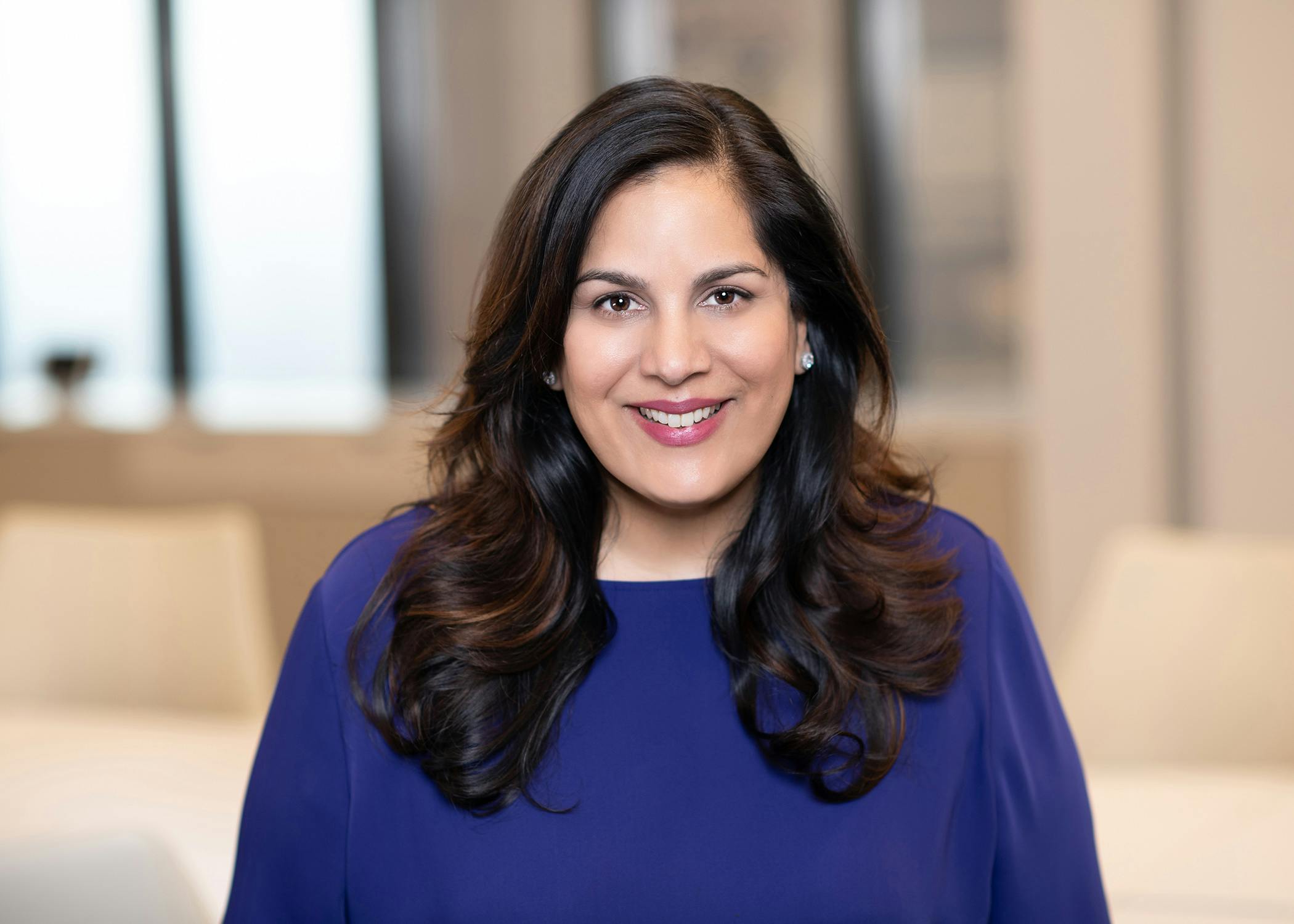
California has been on a run that no other state—and arguably no other region in the world—can match, hosting the FIFA World Cup, a Super Bowl, and the NBA All-Star Game within a one-year span. With Super Bowl LXI and the 2028 Olympics still ahead for Los Angeles, the Golden State is not done. I recently had the opportunity to moderate a conversation co-hosted by Nixon Peabody and the Sports Lawyers Association with Francine Hughes (SF 49ers / Levi's Stadium), Zaileen Janmohamed (Bay Area Host Committee), and Kathryn Schloessman (Los Angeles Sports and Entertainment Commission). Together, they have been at the center of executing some of the most significant sporting events California has ever hosted. What follows draws on that conversation and my work representing host committees, leagues, and public and private organizations on the legal and commercial side of these events.
The economic case is real, but it requires the right infrastructure
The numbers from California's recent run are striking. Zaileen shared that the Bay Area generated $1.9 billion in regional economic impact across FIFA World Cup 2026, Super Bowl LX, and NBA All-Star 2025.
What produced that result was sustained public-private coordination. A 20-person nonprofit had to align 27 transportation agencies, 3 airports, and 9 county governments around a shared goal. That's more than just event logistics. That's sustained relationship-building and the ability to move entities with very different mandates in the same direction. The legal architecture underneath that coordination, including MOUs, intergovernmental agreements, and liability structures, is what makes it possible. Without it, you don't get to the economic impact story.
How California host committees compete without a public funding runway
Kathy raised a funding dynamic that rarely surfaces in these conversations. California has no public funding mechanism for mega-high impact events. When other US cities bid for major events, they often do so with tens of millions in public dollars behind them. California raises everything privately, within the commercial frameworks and IP restrictions set by the leagues. That shared challenge has brought the Los Angeles Sports and Entertainment Commission and the Bay Area Host Committee together to collaborate on solutions and explore how to strengthen California’s collective ability to complete for major events.
Those restrictions are significant. League agreements define which sponsorship categories are available to host committees, which marks can and cannot be used, and how assets can be packaged and sold. Navigating that landscape requires host committees to have a precise understanding of the rights they hold, and to think creatively about how to build value within those parameters. The most successful organizations are the ones that know their legal position well enough to find the space within the rules and build a commercial model around it.
The gap between the bid and the execution
Every host city eventually faces the same challenge: the distance between what was committed to in a bid, often eight or nine years before the event, and what's needed to execute. The world changes. Political environments shift. An obligation that seemed reasonable at the bid stage can look entirely different when you're 90 days out from the opening match.
This is where sustained legal engagement matters. Not just at signing, but continuously throughout the planning cycle, reviewing what was agreed to, identifying where there is room to adapt, and helping organizations understand the difference between their actual obligations and the assumptions baked in from years prior. Entity structure is a critical piece of this as well. The ability to isolate liability across multiple events and governing bodies is not housekeeping. It's a strategic decision that protects the long-term health of the host organization and makes each subsequent event more manageable.
Collaboration as a competitive advantage
I joined the Bay Area Host Committee and the NFL on a site visit to New Orleans for Super Bowl LIX, ahead of Super Bowl LX in San Francisco. The level of openness between host organizations was notable. That same culture carried through to the FIFA World Cup: across all 11 US host cities, especially in the Bay Area, venues that would normally compete on an event day shared resources instead, visited each other's operations, and presented a unified front. The panelists credited that collaboration as a meaningful factor in why events ran as well as they did.
As Los Angeles prepares for what comes next, it’s worth building that model in from the start.
The legacy question
The Bay Area Host Committee built its legacy programming to outlast the events themselves. Zaileen pointed to two examples: a workforce development program that brought hundreds of underrepresented workers into Super Bowl LX with full training and wraparound support, and a commitment to build or refurbish sports facilities in underserved communities across all nine Bay Area counties.
That kind of legacy requires organizational and contractual structures built for the long term. Programs tied to event-specific timelines tend to disappear when the event does.
With Super Bowl LXI and the 2028 Olympics ahead, California has an opportunity to build on what it has already learned. The host committees, venue operators, and public agencies that get the most from this moment will be the ones that treated every prior event as groundwork for what came next.