Every November, Veterans Day honors the men and women who have served our country, including the many veterans who now bring that same dedication to their work at Nixon Peabody. To our veteran colleagues: Thank you for your service, your sacrifice, and the leadership you bring to our firm every day.
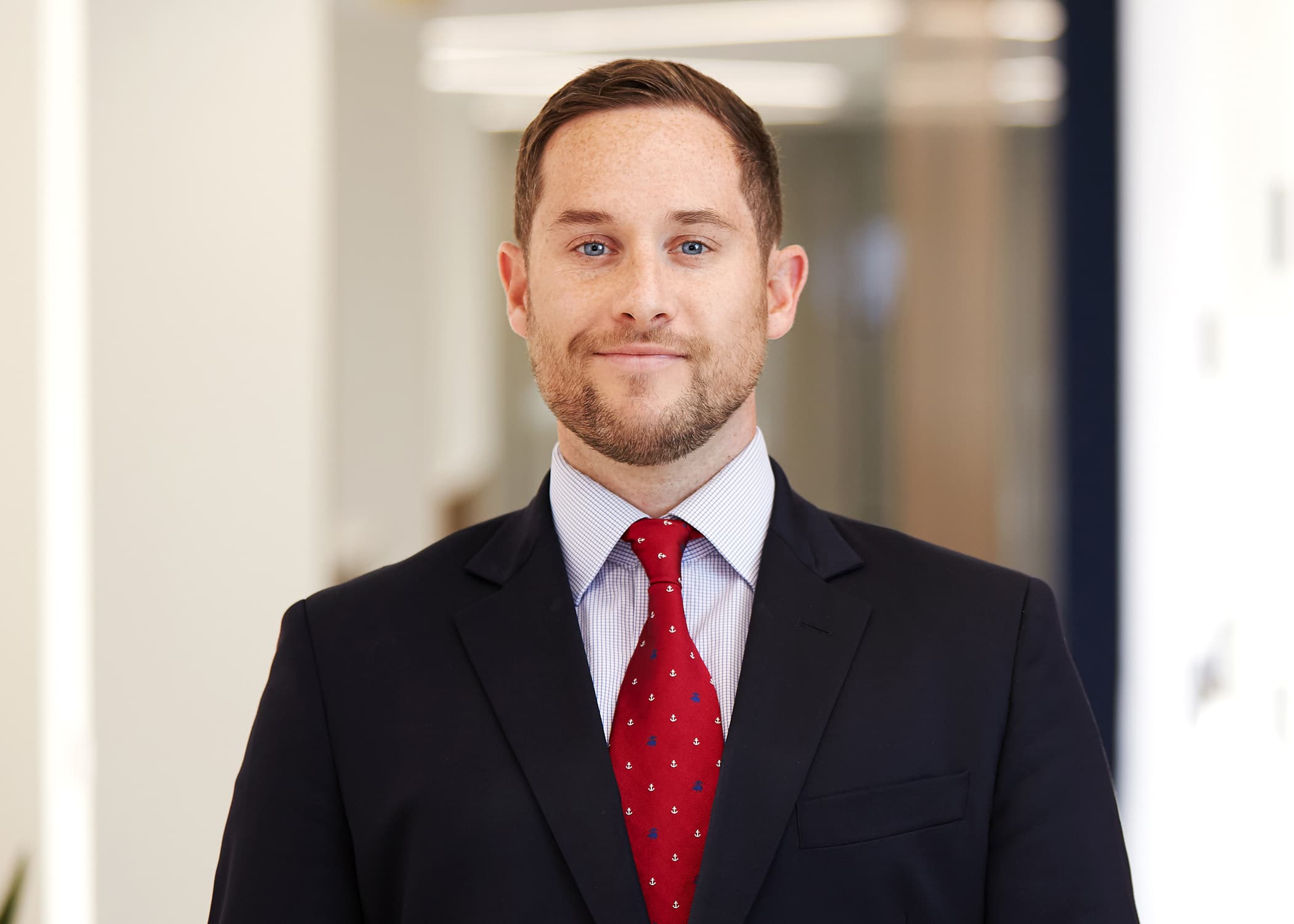
We’re spotlighting Peter Belk, who began his military service in 1993 and today serves as a colonel in the US Army Reserve. His approach to clients draws heavily from his military experience, which emphasizes informed judgment, initiative, and trust.
Tell us about your practice, the clients you serve, and what makes their legal needs distinct.
I counsel companies and investors about national security issues that affect their ability to grow, operate, and compete. I emphasize two things: solving problems and creating value through venue.
I bring more than 30 years of experience in law, government, military service, and business, including service as acting assistant secretary of war for readiness. That experience shapes how I practice. Clients need sound legal advice grounded in how their businesses actually work. My focus is on helping them manage risk, meet their obligations, and execute against their objectives.
I work with companies developing capabilities in aerospace and defense, artificial intelligence, autonomy, robotics, and human performance, as well as the investors backing them. These businesses face legal requirements that directly affect whether their technology can reach the customer. Ownership, export controls, supply chain dependencies, intellectual property, and data governance all matter.
For government customers, understanding the requirement, acquisition pathway, and funding cycle are equally consequential. A compelling technology alone does not establish a viable business. I help clients understand those requirements early and build a legal approach that supports performance and customer adoption. My objective is to position the business for sustained growth while addressing the risks that come with it.
What drew you to the work you do, and how has your focus evolved?
Some of my recent work draws directly on my experience as a senior government and business executive and former acting assistant secretary of war for readiness, as well as my time in uniform. In past roles, I’ve been responsible for assessing operational needs, directing resources, managing enterprise risk, and bringing emerging capabilities into use for the government. That experience gives me a distinct advantage as counsel: I understand how the government evaluates requirements, makes funding decisions, and adopts technology — and what businesses must do to compete.
What did your military service teach you that continues to guide you today?
The military ethos of “Mission First, People Always” drives the way I support my clients. I take ownership of the client’s objectives, build the right team, and remain focused on execution. I also recognize the people behind the business — their investment, their employees, and the users depending on their capabilities. Delivering for them requires personal commitment and accountability for results.
Military service also taught me that responsibility for the mission and the people entrusted to you is personal. I continue to serve as a colonel in the Army Reserve, and my ongoing service with US Army Special Operations Command continues to shape how I lead. My experience in command, military intelligence, civil affairs, and no-fail mission Special Operations efforts reinforces the importance of understanding the operational environment, establishing a clear purpose, and giving people the authority and support they need to execute.
What has surprised you about practicing law?
Special Operations places particular demands on judgment, initiative, and trust. It’s similar in law. You have to work through ambiguity, adapt as conditions change, and empower small teams to solve complex problems. Preparations matter, relationships matter, and success depends on understanding the people and circumstances that determine what is achievable.
For my clients, I work to understand their objectives and constraints, assemble the right people, and provide clear legal counsel they can act on. I stay engaged as circumstances evolve, helping the team remove obstacles and stay focused on the outcome. That commitment to people, preparation, and execution is central to how I work.
What’s one thing about you that might surprise people who only know you professionally?
I have more guitars and electronic music equipment than I can use in a lifetime! People who know me only through legal or military service may not expect it, but I play guitar and piano, and I still DJ. Music has always been a significant part of my life.
I also enjoy surfing, tennis, snowboarding, biking, and running. I like having something to work at that takes me outside my professional routine, whether that is playing an instrument or getting out on the water. Those interests, and most importantly being committed to and engaged with my family, are a big part of who I am.
What does being a veteran mean to you?
Service has been a defining part of my life: an enduring obligation to the nation and to the people who serve it. I was commissioned in 1993 and continue to serve in the Army. Being a veteran has given me a deep appreciation for what we ask of service members and their families. The veteran community is special, and I’m proud to stay connected to it as a member of the American Legion and the Military Officers Association of America.
For me, Veterans Day is a time to recognize that service and the sacrifices behind it. It is also a reminder to carry those responsibilities into how I lead, support colleagues, and serve clients.