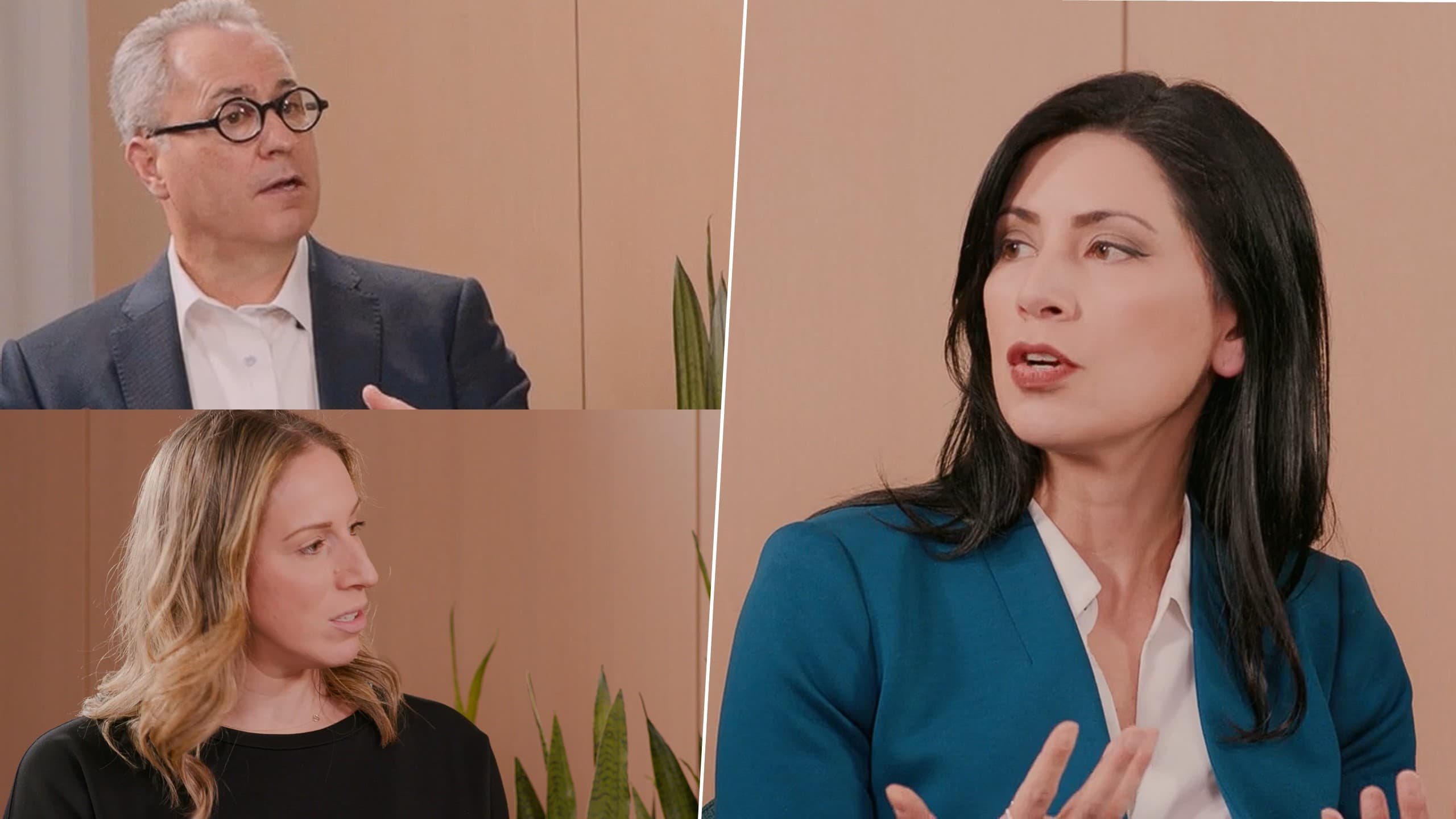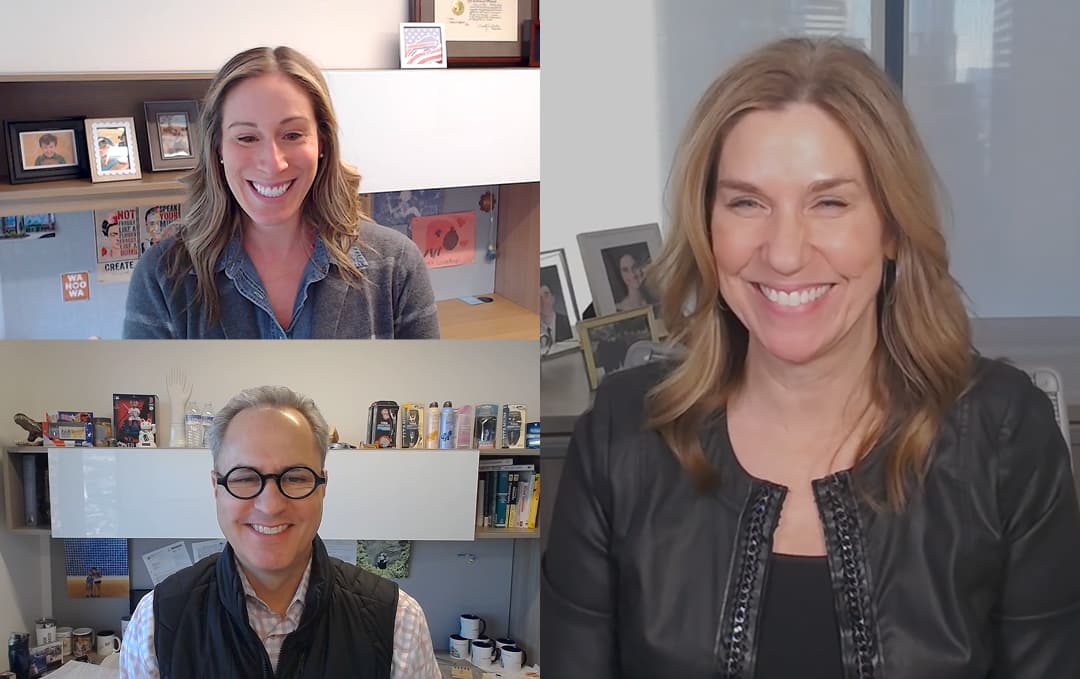

We were honestly a bit starstruck to have the opportunity to sit down with Professor Mary Anne Franks from George Washington University Law School and Professor Jessica Silbey from Boston University School of Law for our 2025 Cybersecurity and Privacy Summit. What started as a structured discussion quickly became what we called a “privacy riff”—a wide-ranging conversation about surveillance, deep fakes, intimate privacy, and—because even privacy lawyers need reasons to get out of bed in the morning—where we might actually find grounds for optimism.
Some highlights from our conversation include:
- The invisible surveillance economy. Professor Silbey emphasized how pervasive tracking has become: “I think a lot about surveillance. Surveillance in ways that people aren’t even aware, whether it’s location surveillance, email surveillance, medical data surveillance.”
- The deep fake crisis. From business email compromise to online harassment, deep fakes are proliferating across every domain. But it’s not just about the individual instances of fraud anymore. Professor Silbey pointed out, “What is new is the virality of the fakes that they circulate widely and fast, and then they dominate rather than the true stories.”
- Reframing intimate privacy. Professor Franks revealed that the breakthrough in getting platforms to address non-consensual intimate image sharing came from reframing the issue: comparing intimate images to credit card numbers or social security numbers—treating them as privacy violations rather than exploitation. While it’s troubling that platforms needed this analogy to take action, it worked. The key insight: consent is contextual. Voluntarily sharing something in one context doesn’t mean you’ve surrendered control over it for all purposes forever.
- Building friction as a solution. Professor Silbey suggested technical interventions: “We could build friction into the system. We could demand that caches get cleared. We could make the systems less targeted.” Sometimes the answer is making systems work less efficiently.
- Reasons for hope. From libraries protecting patron privacy through controlled digital lending to local communities making affirmative choices about their digital environments, change is happening. Professor Franks challenged the industry: “If we are this good at invading people’s privacy, can we become this good so that people can’t have that privacy invaded?”
Watch the full conversation to dive deeper into these privacy law topics.