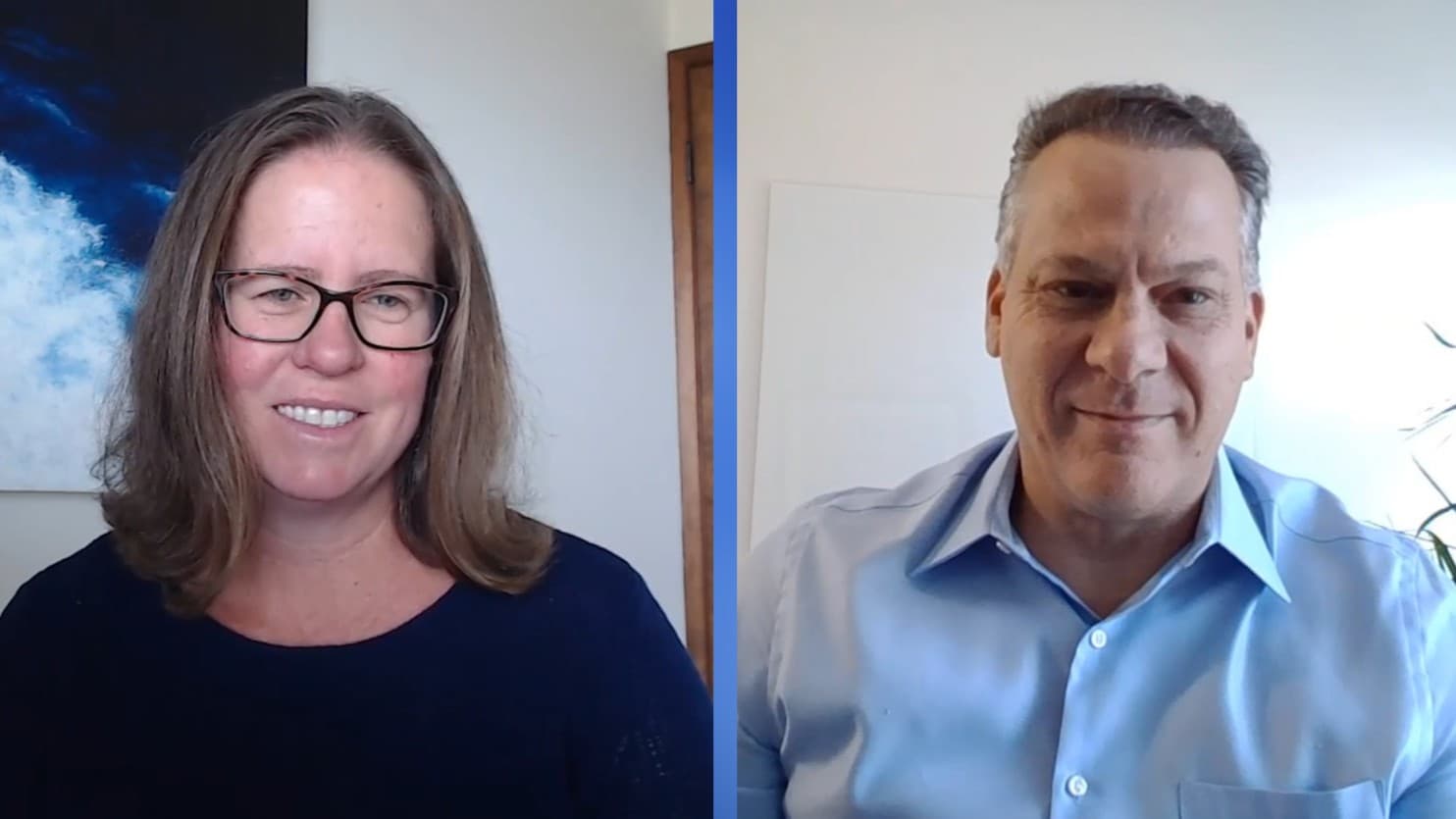

In this edition of Housing Huddle, I sat down with Terry Wellman, FHA Chief Underwriter for Affordable at Berkadia.
With 25 years of experience and a deep understanding of FHA financing, Terry shared valuable insights about how the program continues to support and expand affordable housing nationwide. This includes options for both developers seeking stable project financing and borrowers needing accessible mortgage options.
There is a misconception that FHA financing only works for a narrow set of deals. Is that true?
FHA financing is far broader for developers and borrowers than most people think. HUD has worked on complicated condominium structures, twinning deals with 4 percent and 9 percent credits, and projects that mix market rate and affordable units.
There are only a few true exceptions such as student housing, manufactured housing communities, scattered single family rentals, and private pay senior housing. Otherwise, FHA is very flexible. If you have a complex or unusual deal structure, HUD will make a real effort to get it done.
What FHA financing products should multifamily developers know?
The most common product is the Section 221(d)(4) program for new construction or substantial rehabilitation. It works well with both 4 percent and 9 percent credits, including twinning structures.
For lighter rehab work, the Section 223(f) program allows renovations of up to $55,000 per unit and provides a permanent loan without a separate construction loan.
FHA also works very effectively for RAD transactions, including Component 1, Component 2, and RAD for PRAC. These pair smoothly with either 223(f) or 221(d)(4).
What are the major benefits of FHA financing compared to other types of government-backed lending programs?
FHA construction loans are fully non-recourse other than standard carve outs. There is no re-underwriting at conversion. The terms you close with are the terms you keep.
FHA also produces higher loan proceeds in many cases. HUD will allow a debt service coverage ratio down to 1.11 for HAP contract projects and up to 90 percent loan to value for non-cash out deals. LIHTC projects can reach 70 percent loan to value with a 1.15 coverage ratio.
What challenges should newcomers to FHA financing be aware of?
Timing is usually the biggest concern, but it has improved a lot. Some straightforward refinances receive commitments in about 44 days, which is similar to Freddie Mac. For affordable deals, HUD regions are very focused on meeting deadlines, especially when volume cap or state agency requirements are involved. They work extremely hard to help close on time.
Recently, most delays have come from other parties in the transaction rather than HUD. The key is early communication. If you have a tight deadline, involve HUD right away so everyone can plan for it.
FHA is evolving quickly. Where is the program headed?
HUD is becoming more efficient and more focused on running FHA like a business. A major improvement is that asset management no longer requires the CNA E Tool. Asset managers are also no longer pushing large reserve increases based solely on standardized PCNA outputs.
FHA is becoming nimbler, more user friendly, and more competitive with other government-backed lending programs, which is especially important for affordable housing deals.